
CIC Welcomes New Police Guidance on Prescribed Medicinal Cannabis
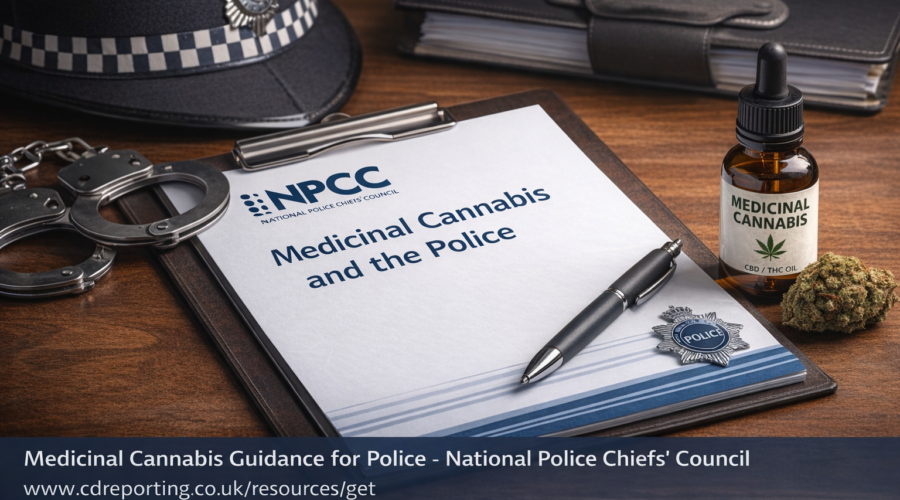
The Cannabis Industry Council welcomes the publication of new guidance for police officers and staff on prescribed medicinal cannabis, developed by the Association of Police Controlled Drug Liaison Officers (APCDLO) and endorsed across policing bodies
For patients, clarity around the law is not a “nice to have”, it is essential. Too many people who are legally prescribed medicinal cannabis in the UK have experienced confusion, inconsistent enforcement, or unnecessary distress due to a lack of understanding about lawful possession and use. This guidance represents a meaningful and practical step towards improving consistency, protecting patient rights, and reducing avoidable harm.
The guidance clearly affirms that patients who have been prescribed cannabis-based products for medicinal use (CBPMs) by a specialist doctor are legally entitled to possess their medication. Where medication is held in its original packaging and supported by appropriate documentation, patients are acting lawfully. Importantly, the guidance encourages officers to treat individuals in possession of prescribed medicinal cannabis as patients unless there are clear grounds to believe otherwise.
This reassurance matters. It should help reduce unnecessary police interactions, prevent inappropriate confiscation, and build greater trust between patients and law enforcement. For individuals managing chronic pain, neurological conditions, or other serious illnesses, that trust can make a significant difference to daily life.
However, rights must be accompanied by responsibility. The guidance rightly reinforces that driving while impaired remains illegal, regardless of whether a substance has been prescribed. Patients have a responsibility to ensure they are fit to drive, and to follow medical advice relating to their treatment.
At the same time, the Cannabis Industry Council recognises that current roadside impairment testing methods and legal thresholds were not designed with prescribed medicinal cannabis patients in mind. This creates an ongoing risk that lawful patients may be unfairly penalised despite not being impaired.
As the government considers broader reforms to driving legislation, including impairment testing and fitness-to-drive assessments, prescribed medicinal cannabis patients must be explicitly considered within future policy and regulation. Failure to do so risks undermining the intent of lawful prescribing and placing patients in an impossible position.
Medicinal cannabis patients are not seeking special treatment. They are seeking fair, informed, and proportionate application of the law, grounded in medical evidence and consistent practice.
The Cannabis Industry Council will continue to engage with policymakers, regulators, and enforcement bodies to ensure that patient safety, dignity, and legal clarity remain at the centre of the UK’s approach to medicinal cannabis.